- Home
- Make a claim
- Airlines
- Adria Airways
- Aegean Airlines
- Aer Lingus
- Aeroflot Russian Airlines
- AeroMexico
- Air Albania
- Air Algerie
- Air Arabia
- Air Austral
- Air Baltic
- Air Canada
- Air China
- Air Corsica
- Air Dolomiti
- Air Europa
- Air France
- Air India
- Air Malta
- Air Mauritius
- Air Moldova
- Air New Zealand
- Air Philippines
- Air Senegal International
- Air Serbia
- Air Transat
- Alitalia Express
- All Nippon Airways
- American Airlines
- Arkia Israel Airlines
- ASL Airlines
- Atlantic Airways
- Aurigny Air Services
- Austrian Airlines
- Avianca
- Azerbaijan Airlines
- Azores - SATA International
- Biman Bangladesh Airlines
- Blue Air
- Blue Islands
- Bluebird Airways
- BMI Regional
- British Airways
- Brussels Airlines
- Brussels International Airlines
- Bulgaria Air
- Buzz Stansted
- Cathay Pacific
- China Airlines
- China Eastern Airlines
- Continental Airlines
- Corendon Airlines
- Croatia Airlines
- Cyprus Airways
- Czech Airlines
- Delta Air Lines
- Eastern Airways
- easyJet
- Egyptair
- El Al
- Emirates
- Envoy Air
- Ethiopian Airlines
- Etihad Airways
- Eurowings
- Finnair
- Fly One
- Flybe
- Flyr
- Gol Transportes Areos
- Gulf Air
- Helvetic Airways
- HiSky
- Iberia Airlines
- Iberia Express
- Icelandair
- Iran Air
- Iraqi Airways
- ITA Airways
- Japan Airlines
- Jazeera Airways
- Jet Airways
- Jet2
- JetBlue
- Juneyao Air
- Kenya Airways
- KLM
- Korean Air
- Kuwait Airways
- LATAM Airlines
- Lauda Europe
- Loganair
- LOT Polish Airlines
- Lufthansa
- Luxair
- Malaysia Airlines
- Norse
- Norwegian
- Nouvelair Tunisie
- Pakistan International Airlines
- Pegasus Airlines
- Play Airlines
- Qantas
- Qatar Airways
- Riyadh Air
- Rossiya Russian Airlines
- Royal Air Maroc
- Ryanair
- SAS
- Saudia
- Scoot
- Silk Way Airlines
- Singapore Airlines
- Sky Express
- South African Airways
- SriLankan Airlines
- SunExpress
- Sunwing Airlines
- Surinam Airways
- Swiss International
- TAP Air Portugal
- Thai Airways
- Transavia
- TUI
- Tunisair
- Turkish Airlines
- Turkmenistan Airlines
- Ukraine International Airlines
- Vietnam Airlines
- Virgin Atlantic
- Vueling Airlines
- WestJet
- Wideroe
- Wizz Air
- Airports
- FAQ's
- Compensation Calculator
- Recent Flight Delays
- Blog
- About Us
- Contact Us
Is it worth going to Sri Lanka now?
Date: 19 Jan 26
Is it worth going to Sri Lanka now if you’re travelling from the UK and want a trip that feels like beaches + wildlife + tea hills + culture in one place? For many travellers, yes — as long as you plan with the latest official advice and stay flexible if weather disrupts certain routes. Sri Lanka remains a popular choice, but recent severe weather reporting is a reminder to check updates before you lock everything in.
What “worth it” means right now for travellers
When people ask is it worth going to Sri Lanka now, they’re usually trying to balance two things: “Will I have an amazing time?” and “Will my trip be smooth?” Sri Lanka can absolutely deliver on the first one — but smoothness depends on choosing the right areas for the season and leaving time buffers for travel days. Lonely Planet notes the island may look small, but you need time to take it in properly, and seasonal conditions vary across regions.

The experience is still strong (if you plan the route)
Sri Lanka’s classic appeal hasn’t changed: coastlines, central highlands, scenic rail journeys, temples and wildlife are still key reasons people go. Practical planning makes the difference between “non-stop admin” and a genuinely relaxed trip.
Recent weather disruption is the main “now” factor
If you’re asking is it worth going to Sri Lanka now, the biggest variable is weather-related disruption in specific areas. The UK government travel advice is the best starting point for UK travellers, and recent reporting around flooding/landslides highlighted that itineraries may need adjustment even if most tourist areas remain accessible.
Safety and official advice to check before you book
Is it worth going to Sri Lanka now if you’re mainly worried about safety? Use official sources first, then supplement with reputable travel reporting. The UK Foreign, Commonwealth & Development Office (FCDO) provides current guidance on safety, disruption, entry requirements and practical considerations.
How to use FCDO advice properly
Don’t just read the top summary once. Check it:
- when you’re researching dates
- again before you pay for non-refundable bookings
- again 48–72 hours before departure
This matters because guidance can change quickly after storms or major incidents.
What “safe” looks like on the ground
Even when general advice supports travel, specific road sections or hill routes can be affected short-term after severe rainfall. In practice, that can mean you still travel — but swap one stop for another, or take an alternative route. That aligns with travel industry reporting during recent cyclone-related disruption.
Weather and timing: how to avoid a frustrating trip
If is it worth going to Sri Lanka now depends on weather, the key is not to think of Sri Lanka as “one season fits all.” Conditions vary across the island. Lonely Planet points out that many assume December to April is the only good window, but different coasts peak at different times, and off-season travel can mean fewer crowds and lower prices.
Here’s a simple way to plan without overcomplicating it:
-
Decide which coast matters most to you (south/west vs east)
-
Build the itinerary around that region’s better months
-
Add 1–2 buffer days if your route includes hill country roads or train travel
What to do in Sri Lanka if you go
The island is known for mixing coast time with inland experiences. Lonely Planet highlights iconic sights and practical tips, including planning for heat/humidity and booking popular train seats ahead during peak periods.
Three experiences that reliably feel “worth it”:
- Hill country train scenery and tea plantations
- Wildlife experiences (with a reputable operator)
- A couple of beach bases, rather than changing hotels every night
Places that still make Sri Lanka worth visiting
If you’re deciding whether Sri Lanka is still worth visiting now, it can be helpful to focus on places that consistently define the country rather than seasonal activities or ideal conditions. These are locations that continue to attract visitors because they offer cultural, historical, or natural value regardless of short-term disruption.
1. Sigiriya Rock Fortress
Sigiriya Rock Fortress is one of Sri Lanka’s most iconic landmarks and a UNESCO World Heritage Site. The ancient rock citadel rises dramatically above the surrounding plains and offers sweeping views, landscaped gardens, and well-preserved ruins. Because it is an inland attraction, it remains a strong reason to visit Sri Lanka even when coastal travel plans need adjusting.

2. Temple of the Sacred Tooth Relic, Kandy
The Temple of the Sacred Tooth Relic in Kandy is one of the most important religious sites in the country. Unlike attractions designed purely for tourism, the temple functions as a living place of worship. This gives visitors a more authentic understanding of Sri Lanka’s culture, while the surrounding city and lake remain accessible throughout the year.

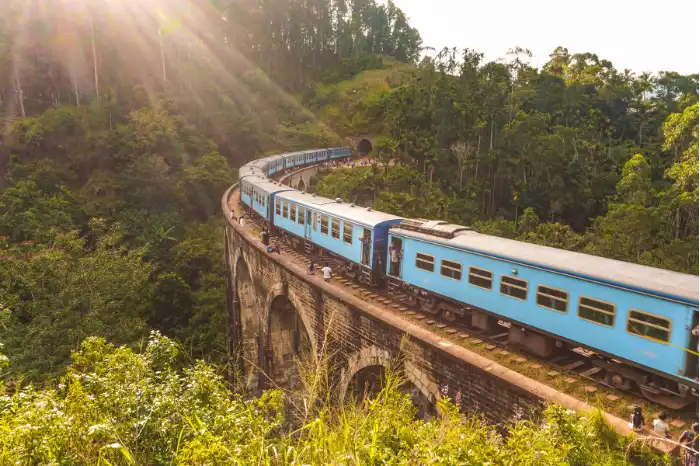
3. Nine Arches Bridge, Ella
The Nine Arches Bridge near Ella has become one of the most recognisable images of Sri Lanka. Set among tea plantations and rolling hills, it represents the slower, scenic side of the country. Its appeal is visual rather than seasonal, which makes it a reliable stop regardless of weather conditions.
4. Yala and Udawalawe National Parks
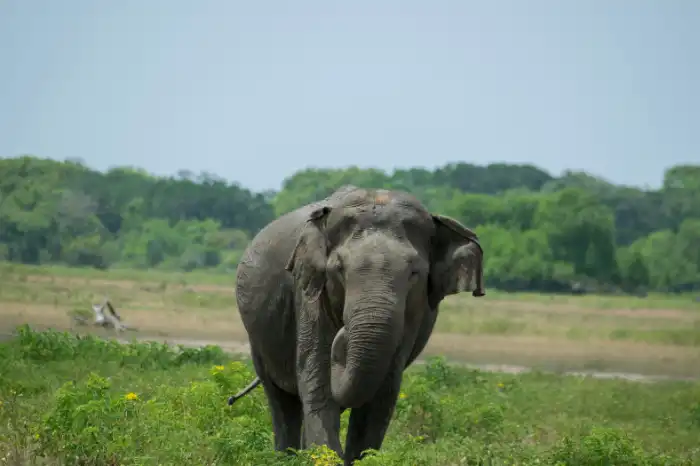
Sri Lanka’s wildlife parks, particularly Yala and Udawalawe, remain a major draw for visitors. These parks are well known for elephant sightings and open safari experiences. As nature-based attractions, they operate independently of resort infrastructure and are often unaffected by coastal disruption.
5. Galle Fort
Galle Fort offers a different kind of experience from beach resorts. The historic fort area features colonial architecture, walkable streets, museums, and coastal views. Visitors can explore at their own pace, making it a flexible stop that does not rely on specific activities or weather conditions.

6. Tea Plantations in the Central Highlands
The central highlands, including areas around Nuwara Eliya and Ella, are known for tea plantations and cooler temperatures. These regions provide a contrast to coastal destinations and remain appealing throughout the year. Plantation visits and scenic viewpoints continue to operate even when travel plans elsewhere need adjusting.

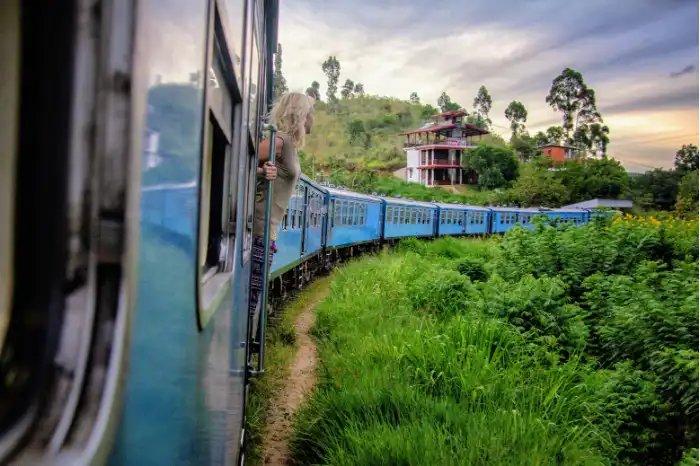
7. Scenic Train Journey Between Kandy and Ella
The train journey between Kandy and Ella is often described as one of the most scenic rail routes in the world. Passing through mountains, tea estates, and rural villages, the journey itself becomes part of the experience. While delays can occur, the route remains a defining feature of travel in Sri Lanka.
8. South Coast Beaches Beyond Major Resorts
While some travellers focus on well-known resort towns, many south coast beaches remain quieter and more adaptable. Areas near Tangalle or Rekawa offer open stretches of coastline where visitors can enjoy the setting without relying on organised activities or resort infrastructure.

Taken together, these places show why Sri Lanka continues to offer value even when travel conditions are not perfect. They provide a mix of history, culture, wildlife, and scenery that allows visitors to experience the country without relying on a single type of holiday or location.
Flights: what to do if disruption affects your UK–Sri Lanka trip
If you’re thinking is it worth going to Sri Lanka now, it’s smart to factor in how you’ll handle flight disruption. Severe weather can cause knock-on delays and cancellations, and long-haul disruptions can be expensive if you don’t know your rights.
Flight Delay Claim has tools and guides that can help you check your position if your journey is disrupted:
- Want to know how much you could receive? Use our Compensation Calculator
- Flight delayed? Find out if you can claim with Flight Delay Claim
-
Missed a connecting flight? Check if you’re eligible to claim: Missed Connection Claim
And if you want to understand what you may claim for during a delay (meals, accommodation, transport, depending on circumstances), this guide is useful: Cancelled Flight Claim
Final take
So, is it worth going to Sri Lanka now? For most UK travellers, yes — if you plan around the latest official updates, choose the right region for the season, and keep a bit of flexibility for transport changes. The FCDO travel advice is your baseline for safety and disruption, and recent reporting shows that even during severe weather events, many areas can remain open with adjusted itineraries.
claim now
Have you had a flight delay, missed connection, cancelled flight or have been denied boarding in the last 6 years? If so try our free flight checker to see how much you may be entitled to in compensation for you AND your fellow travellers.
Start a Claim